21st June 2026 – Hillsea Point and Mewstone
Dive 1: Hilsea Point
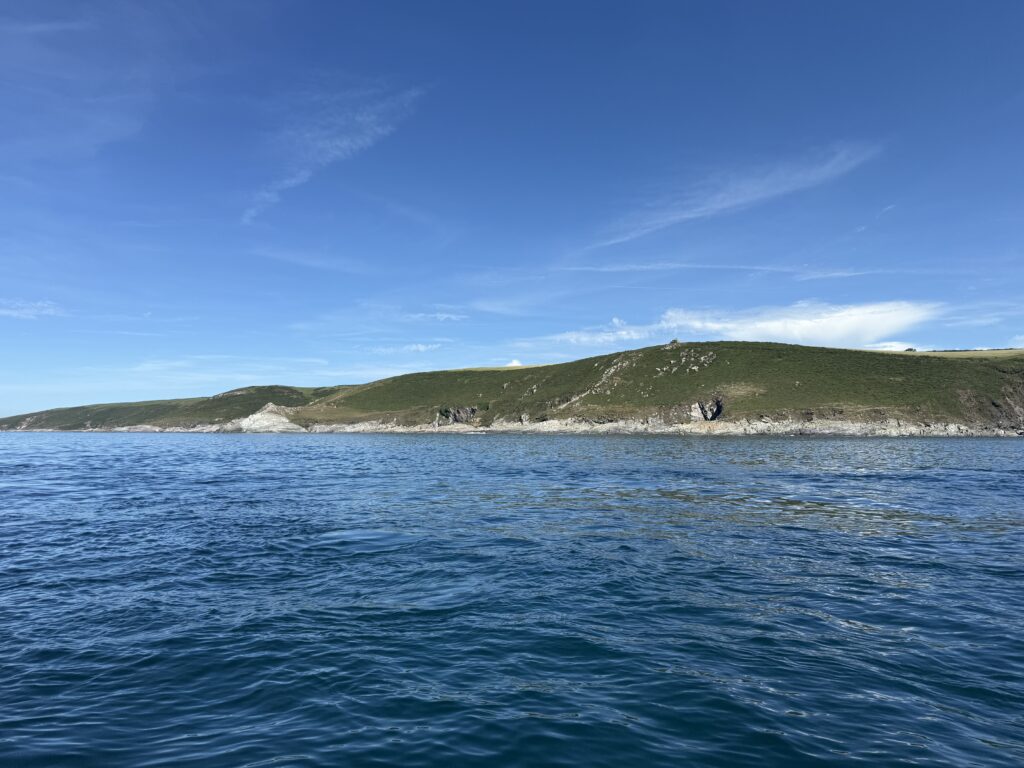
A return to Hilsea Point on day two. The current was again running across the top of the pinnacle on descent, but conditions in the gullies were calm. The gullies rewarded a slower, more thorough look around. Anemones and nudibranchs were seen across the rock faces, and lobster were tucked into crevices in the lower sections. As the tide began to run, the dive developed into a drift, carrying divers along the rock faces before they surfaced clear of the pinnacle in open water with SMBs deployed. Hilsea is a site that improves with repeat visits.
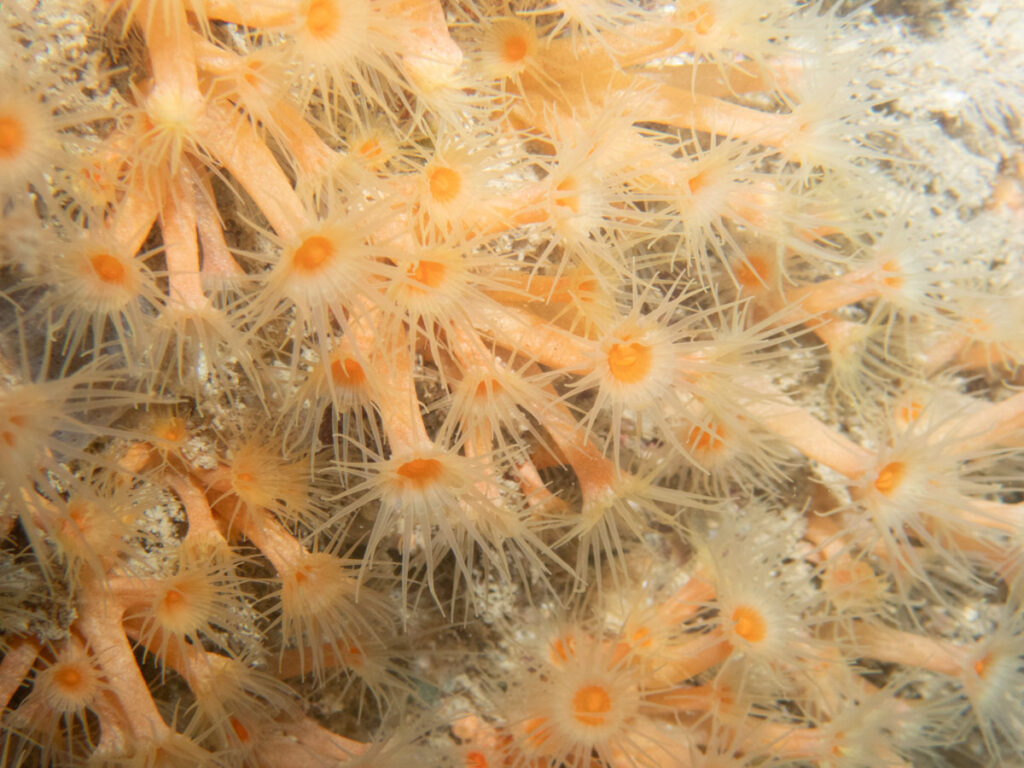
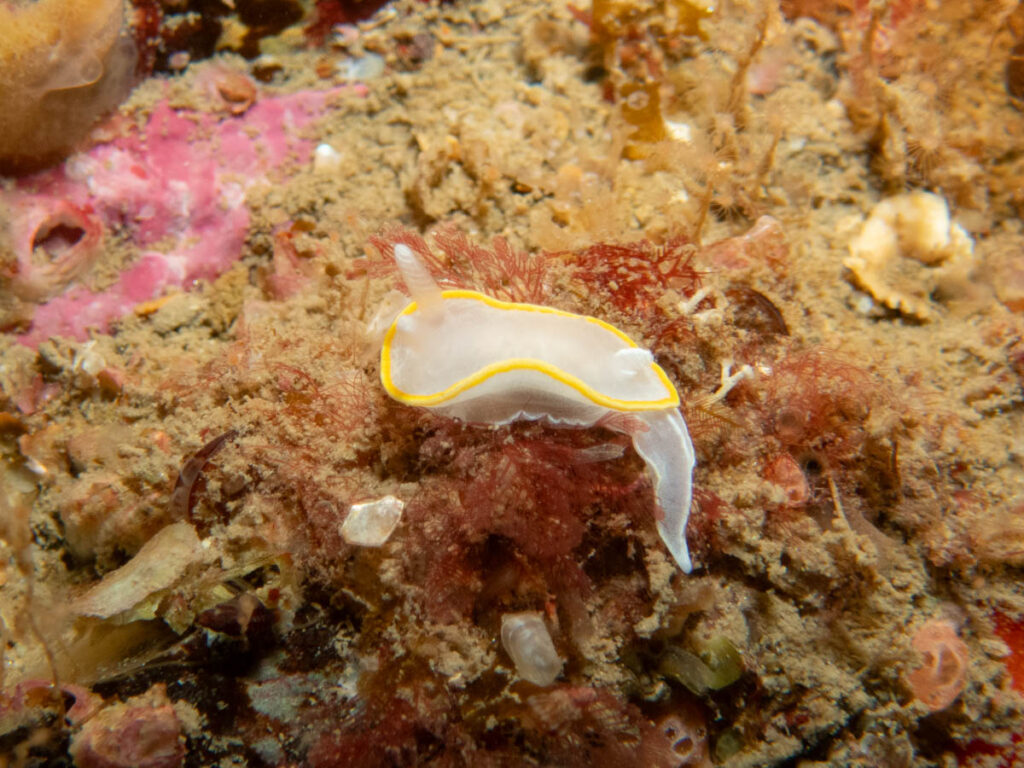
Dive 2: Mewstone Ledges, South Side
The Mewstone is a prominent rocky island sitting roughly 1.5km south east of Wembury Point at the mouth of Plymouth Sound. The south side is more exposed and deeper than the sheltered north, with rocky fingers and gullies extending down to around 30m on a mixed sand and rock seabed.
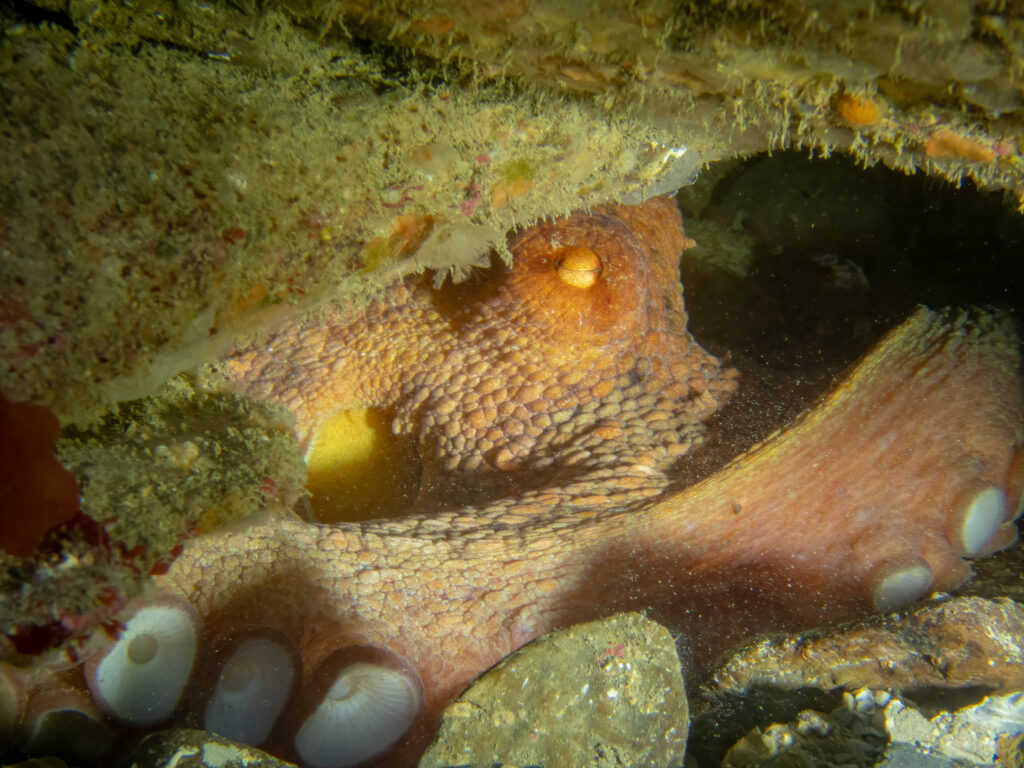
Octopus were the story of the dive. Multiple individuals were encountered throughout, in rock crevices, on open sand and in open water, which is unusual behaviour for a species that is normally cryptic and hard to find. This is consistent with reports from other south-west sites this season. Octopus populations undergo periodic boom years when juvenile recruitment is unusually high following warm summer sea temperatures and good food availability. The animals showed little inclination to retreat, making for some extended observation at close range.
And the find of the dive: a cannon on the seabed at the base of the reef, partially buried in coarse sand. The Mewstone and its approaches have been a hazard to shipping since at least the seventeenth century, and the area was heavily used by naval and merchant traffic throughout the age of sail. Cannons and associated ironwork are not uncommon in this stretch of water.